The history of Şirince: from Kırkınca to Şirince
The Greek village of Kırkınca, the population exchange and how the village got its name.
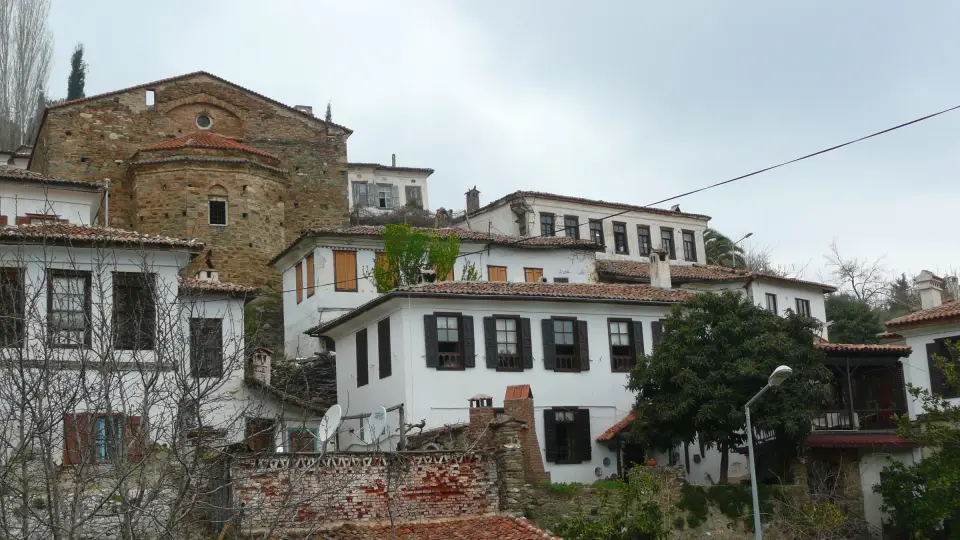
Known today for its stone houses and narrow lanes, Şirince was for centuries a Greek village in the hills behind Ephesus. Its old name was Kırkınca (also known as Çirkince).
The Greek village of Kırkınca
In the Ottoman period the village was home to a Greek Orthodox community living from vineyards, olive groves and farming. The churches and the two-storey stone houses are the legacy of that time.
The population exchange
With the population exchange agreed between Turkey and Greece in 1923, the Greek inhabitants left for Greece. Muslim families from Thessaloniki and its region settled in their place and carried on the village’s vineyard and fruit traditions.
The name Şirince
In the early years of the Republic the village was renamed Şirince. Local tradition says the name was chosen to stress that the village was not “ugly” (çirkin) but “lovely” (şirin).
Today
Şirince is now a neighbourhood of Selçuk, protected for its historic fabric. Many stone houses have been restored as guesthouses, boutique hotels and shops. In 2012 rumours that it was a “safe place at the end of the world” brought it into the international press.
Last updated: 8 October 2026. Entry fees and opening times change; check official sources before you go.